
IS LASIK WORTH IT?
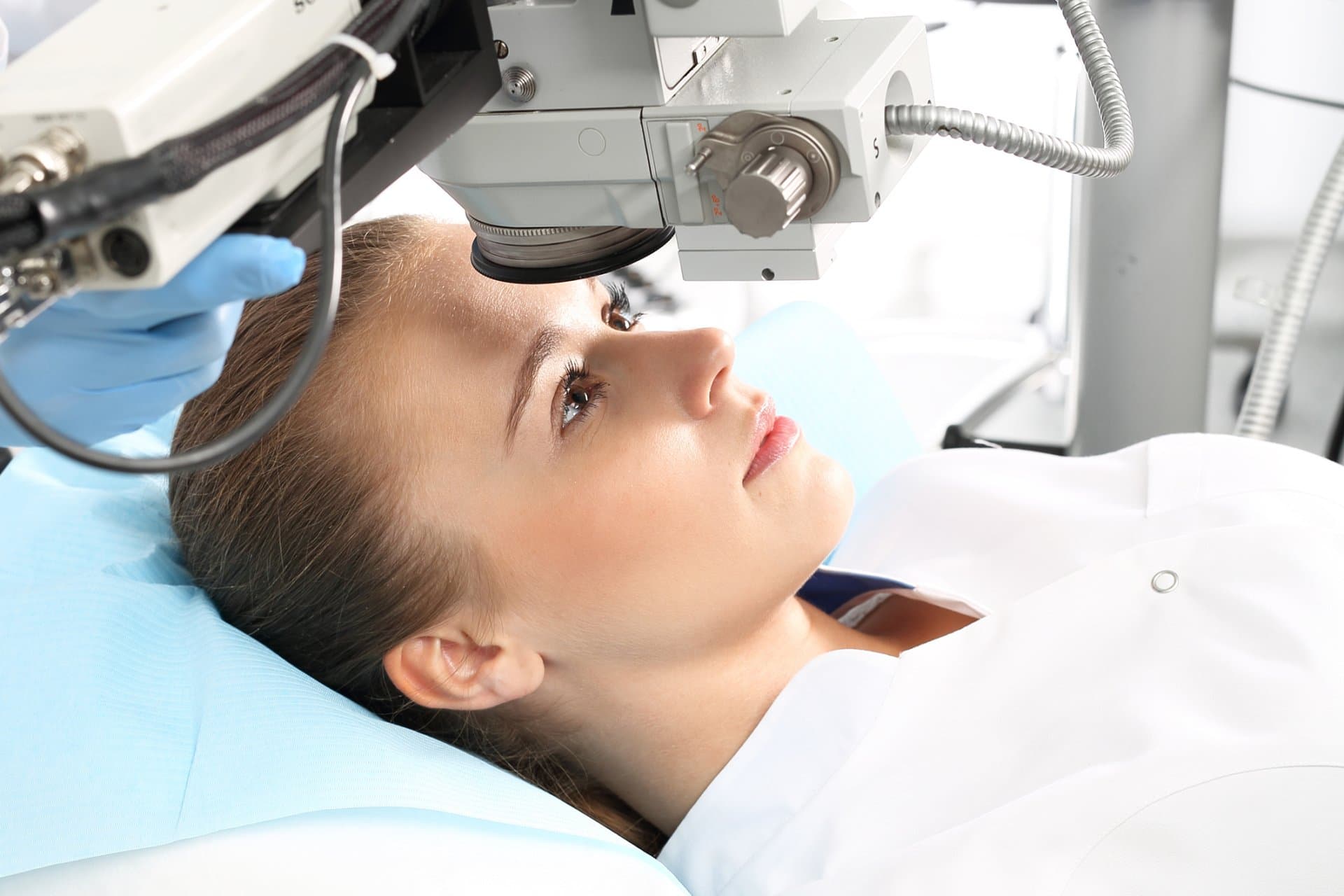
Lasik is one of those surgeries which will reshape your eyesight by correcting your vision and giving you eyesight without any glasses. This way, your eyesight will benefit from LASIK. It is an experience that enriches a person's life and pleases them. For many individuals with nearsightedness, farsightedness, or astigmatism, having
LASIK eye surgery
is a better option than using alternative visual aids. Although wearing a prescription item right next to the eye is a wonderful alternative, LASIK surgery has numerous advantages over contacts and eyeglasses.
How Does LASIK Operate?
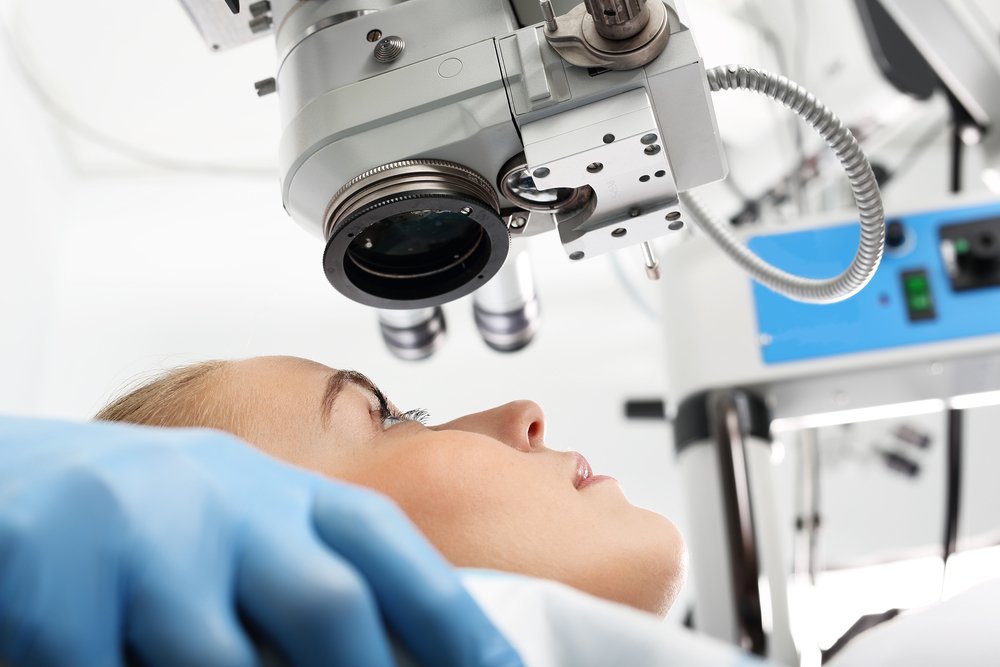
Lasers are used in LASIK to treat astigmatism , nearsightedness, and other refractive abnormalities. As the cornea directs the light in the eyes to give you vision, when a person experiences blurred or hazy vision, such as myopia or hyperopia, this may be caused due to irregularly shaped cornea. Thus, light cannot bend appropriately in the eyes.
Wavefront technology creates a precise 3D representation of the ocular topography since each eye is unique. As a result, nighttime visibility is improved, and there is less glare and halo.
Since LASIK is an outpatient procedure, you can go home the same day. Thanks to a brief recovery period, most patients may return to normal routines within a few days.
One of the elective procedures with the most excellent patient satisfaction ratings is LASIK, at 96%. The great majority of people have a vision that is 20/20 or superior. Most of the time, the need for visual assistance may even be reduced or removed. Scheduling a LASIK consultation is the only way to determine whether you're a good candidate for the procedure.
Advantages of LASIK
Have you ever wished to be 20/20 or better without needing contacts or glasses to view the world around you? This is something that LASIK can make happen!
Most individuals use glasses or contact lenses to see well; however, with LASIK Eye Surgery, you can see the world perfectly without obstructions. Knowing that what you see is not concealed by glasses or a frame is one of the most liberating experiences. You may be surprised to learn that your vision will be better after LASIK than when you wear glasses or contact lenses. Many patients claim that their vision is clearer, sharper, and more vivid than before they started using visual aids.
LASIK can save you cash
Did you know that if you wear glasses or contacts, you spend, on average, $500 a year on them ? That encircles all the expenditures associated with their accessories, such as cases, contact lens solution, and additional items.
By opting for LASIK, you will no longer need eyeglasses or lenses, which will lead to additional savings caused by timely eye check-ups and new eyewear. This will eventually pay for itself and lower your future eye care costs. You'll save money if you choose a technique that eventually pays for itself. More significantly, you may spend money on yourself and get an improved vision that you can use for many years.
LASIK is quick and painless
Lasik is a time-saving and easy process. Since you will be given numbing eye drops at the start of the process, you won't experience any pain either. Sedatives like Valium might be given to help you relax and quiet down if you're feeling anxious.
Your surgeon will then make a tiny incision in your cornea and use a laser to reshape it as you lay there with your eyes open. Thus, you will have your vision back, which is a priceless investment in yourself that, too, in less than an hour.
You have freedom with LASIK
Several daily duties may be made simpler with LASIK Eye Surgery While working out, you won't have to be concerned about your glasses shifting or perspiration running down your face and bothering your contacts.
While outside, you don't have to worry about your contacts being too dry or slipping out of your eyes. Do you intend to travel? You won't need to worry about carrying enough contacts or extra glasses. Any risks of your glasses breaking or contact solution leaking while travelling is also gone. It implies that you won't have to worry about your glasses getting broken, damaged, or lost.
Furthermore, LASIK lowers the increased risk of infection through extended contact because you don't have to touch your eyes daily. The result is that LASIK frees you from a lot of concerns. Since you don't have to worry about eyewear complications, you might be more impulsive.
You don't need to guess your eyesight second when you want to splash about in the pool or play catch with your kids, niece, and nephew.
Conclusion
LASIK costs less in the long run than contacts or spectacles. The price of LASIK Eye Surgery is set. Although LASIK surgery is an expensive one-time investment, the ongoing costs of using contacts or glasses are often less expensive.
Restivo Laser Vision
is one of the leading centres for
Lasik surgery in Austin
, Texas. Investment in Lasik surgery from Restivo Laser Vision is the best way to live your life with vivid visuals.